RFID use cases
RFID in logistics, pharmacies, retail and jewellery: tagged stock and counts you can trust.
Inventory loss and poor materials management: sector impact
Industry benchmarks show the cost of inventory inaccuracy, shrinkage and lack of visibility. Data from sector studies and loss reports (2022–2025).
Global impact
Inventory distortion costs retailers an estimated $1.77 trillion annually worldwide. Average inventory accuracy is only 60–65%; 73% of retail shrink is preventable. Causes include inventory errors (21%), employee theft (29%) and operational inefficiencies (13%).
Regional benchmarks
Wine, oil & food
Food and beverage waste and loss are significant: spoilage, expiry and supply chain errors drive shrink. Item-level traceability with RFID supports recall readiness, anti-counterfeiting and inventory accuracy from producer to retailer.
Logistics & warehousing
3PL shrinkage averages 1.4%; pre-automation warehouse rates often reach 2–3%. Best-in-class operations achieve under 0.01%. Each 1% shrinkage on $1.4M inventory costs about $14,000 per year.
Pharmaceuticals & pharmacies
Around 7% of pharmaceutical stock is wasted annually (damage, spoilage, overproduction), representing over $10 billion in lost value. Inventory write-offs in big pharma sit at about 4% of cost of sales.
Apparel & retail
Retail shrink in the U.S. exceeds $112 billion yearly; median shrink rate is 1.4% of sales, higher in apparel and cosmetics. Inventory errors account for 21% of losses; 6% of fashion shrink comes from unrecorded sample inventory.
Jewelry & luxury
Jewelry theft and loss in the U.S. is about $1.2 billion per year. Internal theft accounts for 41–50% of jewelry store shrinkage; average loss per commercial theft incident is around $47,000.
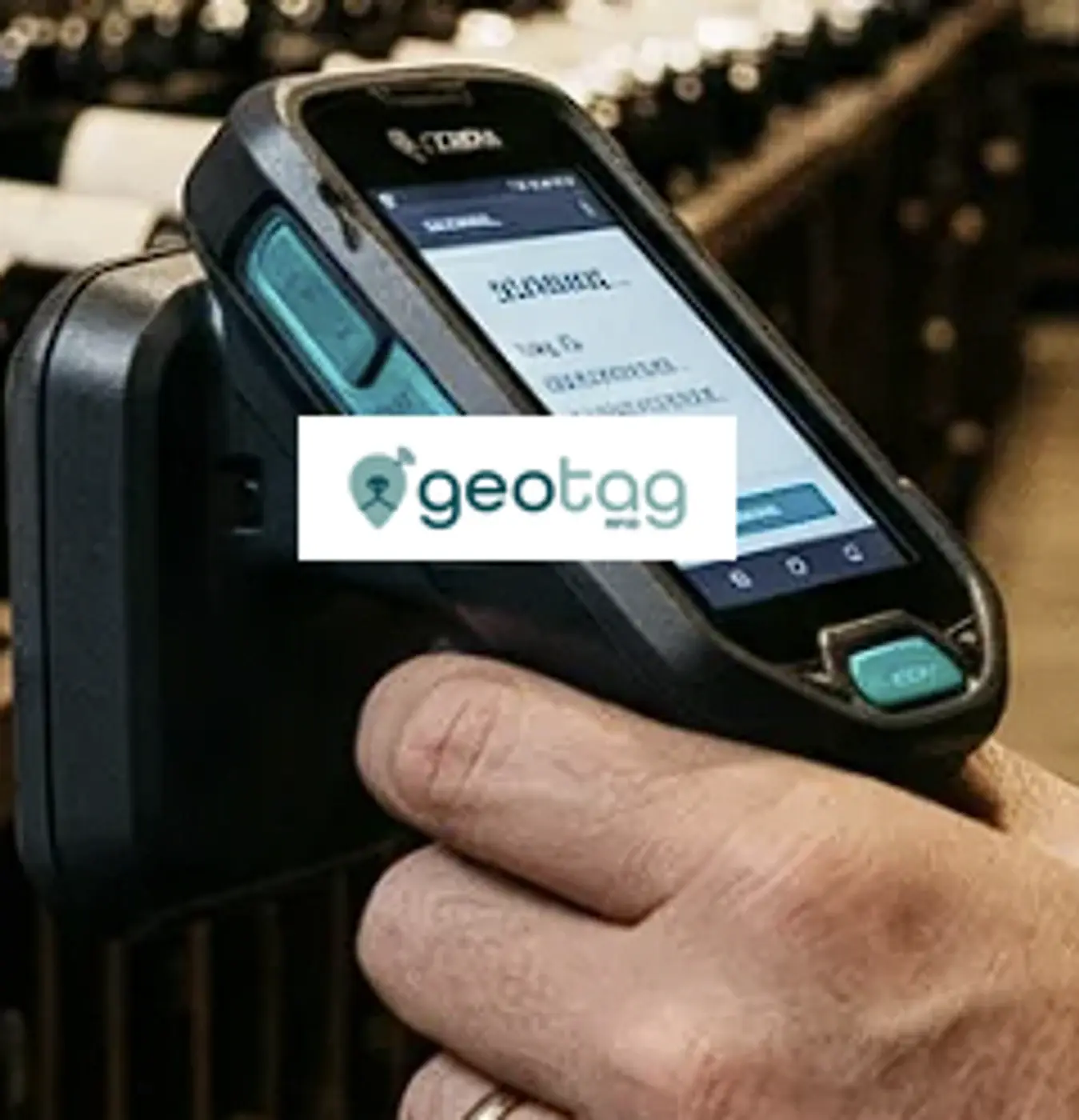
RFID for wine, olive oil and food
From cellar to shelf, wine, olive oil and packaged food gain batch traceability and faster counts. Producers and distributors can follow lots, vintages and expiry without opening every unit.
- Item or case-level traceability from production to sale with GTIN and SGTIN.
- Quick inventory of cellars, pallets and shelves without opening every unit.
- Support for anti-counterfeiting, recalls and compliance with food and beverage standards.
Wine, oil & food standards: GTIN and SGTIN
EPC (Electronic Product Code) is the encoding standard for what is stored on the RFID chip. SSCC, GRAI, SGTIN and GIAI are different GS1 identifier types, you choose which one to encode into the EPC depending on what you track: shipping units (SSCC), returnable assets (GRAI), fixed assets (GIAI), or consumer items (SGTIN). The hex in EPC memory is that identifier in EPC form; systems can decode it to the standard format for business use and trading partners.
GTIN
Global Trade Item Number (GTIN) is the GS1 key that uniquely identifies trade items, products or services that are priced, ordered or invoiced. Common formats include GTIN-12, GTIN-13 and GTIN-14.
GTIN is important for product traceability, recalls, anti-counterfeiting, and standardised identification between partners. Billions of GTINs are scanned daily worldwide; they are the basis for barcodes and RFID at item level.
SGTIN
Serialized Global Trade Item Number (SGTIN) combines a GTIN with a serial number to uniquely identify each item. It is the standard for item-level RFID in retail and for serialized medicines in pharmacy.
SGTIN enables item-level traceability, anti-counterfeiting, recalls and compliance with serialization rules (e.g. in pharmaceuticals). It is the basis for EPC/RFID encoding at item level.

RFID for logistics
Distribution centres tag pallets, cartons and SKUs so receiving, picking and dispatch move faster. Geotag RFID shows where stock sits and how much is on hand, with fewer recounts between teams.
- Fast, contactless reading of multiple items at once. No line-of-sight needed.
- Live traceability and GPS data show where each tagged item is.
- Integration with WMS/ERP via API for automated inventory and fewer manual counts.
Logistics standards: SSCC and GRAI
EPC (Electronic Product Code) is the encoding standard for what is stored on the RFID chip. SSCC, GRAI, SGTIN and GIAI are different GS1 identifier types, you choose which one to encode into the EPC depending on what you track: shipping units (SSCC), returnable assets (GRAI), fixed assets (GIAI), or consumer items (SGTIN). The hex in EPC memory is that identifier in EPC form; systems can decode it to the standard format for business use and trading partners.
SSCC
Serial Shipping Container Code (SSCC) is an 18-digit GS1 key that uniquely identifies logistic units: pallets, cases, parcels or any combination of items packaged for storage or transport.
SSCC is important because it enables unique identification of each shipment, links to Advance Shipping Notices (ASN), speeds up goods receipt and invoicing, and supports end-to-end traceability when encoded in barcodes or RFID/EPC.
GRAI
Global Returnable Asset Identifier (GRAI) identifies returnable and reusable assets: pallets, crates, trays, kegs, cylinders and other containers that circulate between trading partners.
GRAI is important to track returnable assets, reduce loss and theft, support maintenance and repair records, and improve visibility when encoded in barcodes or RFID. It is widely used in transport and logistics.
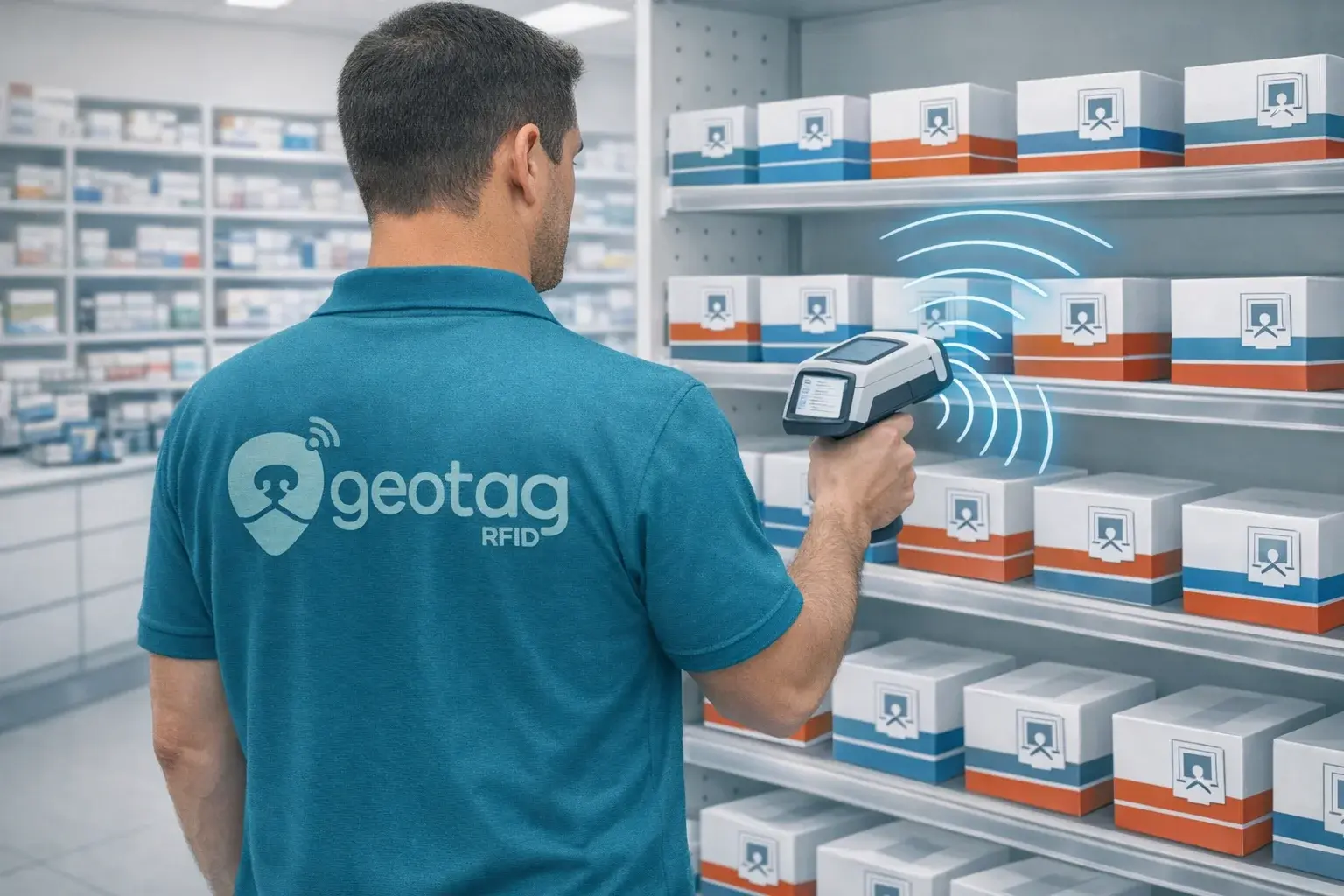
RFID for pharmacies
Medicines and expiry dates need tight control. Tagged packs support shelf counts, lot tracking and regulatory checks without opening every box.
- Rapid inventory of shelves and storage areas without opening every box.
- Traceability from receipt to sale for safety and recall readiness.
- Fewer stockouts and expired stock through better visibility and alerts.
Pharmacy standards: SGTIN and GTIN
EPC (Electronic Product Code) is the encoding standard for what is stored on the RFID chip. SSCC, GRAI, SGTIN and GIAI are different GS1 identifier types, you choose which one to encode into the EPC depending on what you track: shipping units (SSCC), returnable assets (GRAI), fixed assets (GIAI), or consumer items (SGTIN). The hex in EPC memory is that identifier in EPC form; systems can decode it to the standard format for business use and trading partners.
SGTIN
Serialized Global Trade Item Number (SGTIN) combines a GTIN with a serial number to uniquely identify each item. It is the standard for item-level RFID in retail and for serialized medicines in pharmacy.
SGTIN enables item-level traceability, anti-counterfeiting, recalls and compliance with serialization rules (e.g. in pharmaceuticals). It is the basis for EPC/RFID encoding at item level.
GTIN
Global Trade Item Number (GTIN) is the GS1 key that uniquely identifies trade items, products or services that are priced, ordered or invoiced. Common formats include GTIN-12, GTIN-13 and GTIN-14.
GTIN is important for product traceability, recalls, anti-counterfeiting, and standardised identification between partners. Billions of GTINs are scanned daily worldwide; they are the basis for barcodes and RFID at item level.

Shoe store.
RFID for apparel, home and footwear retail
Clothing, home and shoe retailers tag items to count the floor faster, cut shrinkage and improve replenishment. Full-store counts take minutes, with sizes and styles visible on screen.
- Full store or warehouse inventory in minutes instead of days.
- Accurate size and style availability for staff and online channels.
- Theft and loss visibility with item-level traceability.
Retail standards: GTIN and SGTIN
EPC (Electronic Product Code) is the encoding standard for what is stored on the RFID chip. SSCC, GRAI, SGTIN and GIAI are different GS1 identifier types, you choose which one to encode into the EPC depending on what you track: shipping units (SSCC), returnable assets (GRAI), fixed assets (GIAI), or consumer items (SGTIN). The hex in EPC memory is that identifier in EPC form; systems can decode it to the standard format for business use and trading partners.
GTIN
Global Trade Item Number (GTIN) is the GS1 key that uniquely identifies trade items, products or services that are priced, ordered or invoiced. Common formats include GTIN-12, GTIN-13 and GTIN-14.
GTIN is important for product traceability, recalls, anti-counterfeiting, and standardised identification between partners. Billions of GTINs are scanned daily worldwide; they are the basis for barcodes and RFID at item level.
SGTIN
Serialized Global Trade Item Number (SGTIN) combines a GTIN with a serial number to uniquely identify each item. It is the standard for item-level RFID in retail and for serialized medicines in pharmacy.
SGTIN enables item-level traceability, anti-counterfeiting, recalls and compliance with serialization rules (e.g. in pharmaceuticals). It is the basis for EPC/RFID encoding at item level.
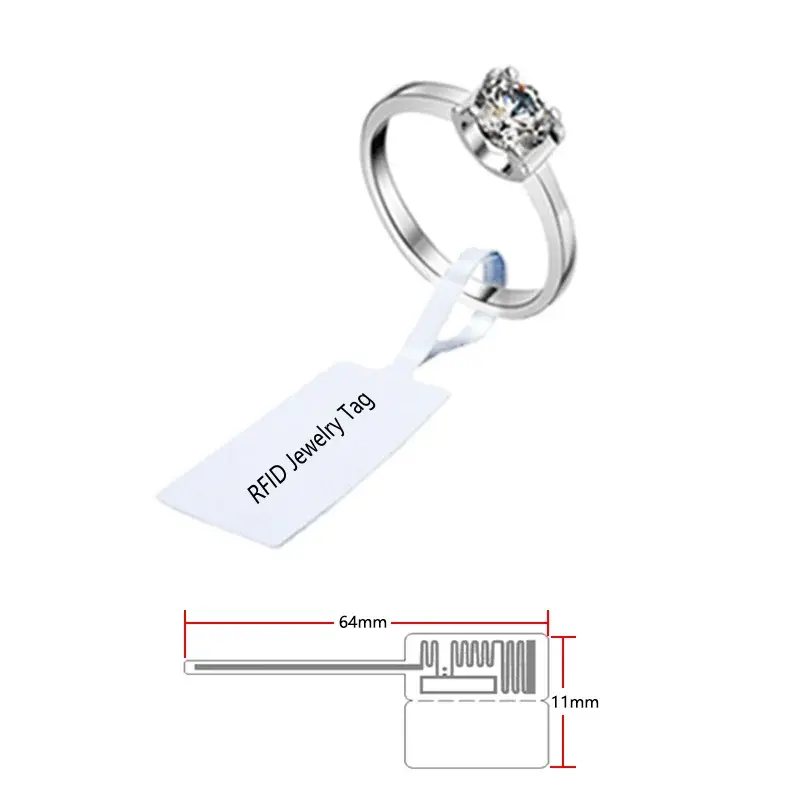
Jewelry piece with small white RFID tag.

Watch with small white RFID tag.
Pearl jewelry and watches with small white RFID tags.
RFID for jewelry
Showrooms and safes need tight control over high-value pieces. Small RFID labels support daily counts, display checks and audit logs without handling every item.
Typical applications include pearl jewelry with RFID tags and watches fitted with small white RFID labels for discreet, secure identification and inventory.
- Quick daily inventory of display and safe without handling every piece.
- Secure traceability and audit trail for each item.
- Integration with your systems for sales and stock alignment.
Jewelry standards: GTIN and SGTIN
EPC (Electronic Product Code) is the encoding standard for what is stored on the RFID chip. SSCC, GRAI, SGTIN and GIAI are different GS1 identifier types, you choose which one to encode into the EPC depending on what you track: shipping units (SSCC), returnable assets (GRAI), fixed assets (GIAI), or consumer items (SGTIN). The hex in EPC memory is that identifier in EPC form; systems can decode it to the standard format for business use and trading partners.
GTIN
Global Trade Item Number (GTIN) is the GS1 key that uniquely identifies trade items, products or services that are priced, ordered or invoiced. Common formats include GTIN-12, GTIN-13 and GTIN-14.
GTIN is important for product traceability, recalls, anti-counterfeiting, and standardised identification between partners. Billions of GTINs are scanned daily worldwide; they are the basis for barcodes and RFID at item level.
SGTIN
Serialized Global Trade Item Number (SGTIN) combines a GTIN with a serial number to uniquely identify each item. It is the standard for item-level RFID in retail and for serialized medicines in pharmacy.
SGTIN enables item-level traceability, anti-counterfeiting, recalls and compliance with serialization rules (e.g. in pharmaceuticals). It is the basis for EPC/RFID encoding at item level.

RFID for pet shops
Pet shops tag food, accessories and vet products to count shelves quickly, track batches and expiry, and spot gaps before they become stockouts.
- Full store or warehouse inventory in minutes without opening every package.
- Batch and expiry traceability for pet food and veterinary medicines.
- Fewer stockouts and losses with item-level visibility and alerts.
Global Individual Asset Identifier (GIAI)
The Global Individual Asset Identifier is one of the two GS1 Keys for asset identification. Companies can apply a GIAI on any asset to uniquely identify and manage that asset, for example a computer, desk, vehicle, piece of transport equipment, or spare part.
- Uniquely identify and manage any asset, e.g. computer, vehicle, transport equipment or spare part.
- Encode GIAI in barcode or EPC/RFID tag to quickly identify the asset and register location, repair and maintenance data.
- Record individual assets in asset management and accounting systems across company boundaries.
Fixed asset (GIAI)
EPC (Electronic Product Code) is the encoding standard for what is stored on the RFID chip. SSCC, GRAI, SGTIN and GIAI are different GS1 identifier types, you choose which one to encode into the EPC depending on what you track: shipping units (SSCC), returnable assets (GRAI), fixed assets (GIAI), or consumer items (SGTIN). The hex in EPC memory is that identifier in EPC form; systems can decode it to the standard format for business use and trading partners.
GIAI
Global Individual Asset Identifier (GIAI) uniquely identifies individual assets such as medical equipment, devices and other fixed or movable assets within an organisation.
GIAI is used in healthcare and pharmacy to track equipment, support maintenance, prevent loss and meet traceability requirements for medical devices and assets.
GRAI
Global Returnable Asset Identifier (GRAI) identifies returnable and reusable assets: pallets, crates, trays, kegs, cylinders and other containers that circulate between trading partners.
GRAI is important to track returnable assets, reduce loss and theft, support maintenance and repair records, and improve visibility when encoded in barcodes or RFID. It is widely used in transport and logistics.
Information sources
Benchmark data on inventory loss and sector impact is drawn from the following industry reports and studies:
- Appriss Retail / NRF – Total Retail Loss and shrinkage reports (e.g. 2025–2026 benchmarks).
- Red Stag Fulfillment, Altavant Consulting – 3PL and warehouse shrinkage rates and inventory accuracy ROI.
- nVentic, PharmiWeb, Deloitte – Pharmaceutical inventory waste, write-offs and supply chain benchmarks.
- NRF, Gitnux, retail loss prevention reports – U.S. retail shrink, causes (inventory errors, theft, operational inefficiencies).
- Jewelers' Security Alliance (JSA), Carat Trade, JCK – Jewelry sector theft and loss statistics.
- GS1 – SSCC, GRAI and GTIN standards and application guidelines (gs1.org).
Tell us about your operation and we will show what fits.
Contact us